
Quillback Profile
In our fast-paced, materialistic and anxiety-ridden world, being a sucker is something to be ashamed of, but in the freshwater systems of eastern North America, one group of fishes appear to have it all figured out.
The suckers are bottom-cruising, long-living, happy-go-lucky animals, and the quillback is a great introduction to the family.
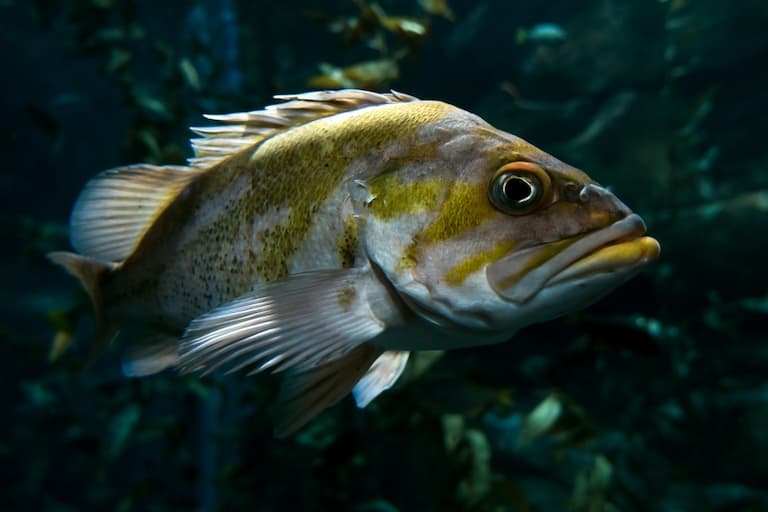
Quillback Facts Overview
| Habitat: | Temperate freshwater |
| Location: | Eastern North America |
| Lifespan: | 11 years commonly, possibly up to 40 or more |
| Size: | Up to 70 cm (28 inches) long |
| Weight: | 6 kg (13 lb) |
| Colour: | Silver sides, darker on the back |
| Diet: | Insects, algae, crustaceans, molluscs |
| Predators: | Humans |
| Top Speed: | Unknown |
| No. of Species: | 1 |
| Conservation Status: | Least Concern globally, but many local populations are in trouble |
Quillbacks are carpsuckers by name, and this isn’t because they suck on carp, but because they look a bit like one. They’re not carp, though they are suckers, and big ones, to boot. Born without the nipple that their cousins were gifted, they do very well for themselves regardless, and function as very important bottom feeders in freshwater systems – for a long time!
As a whole, they appear to be doing quite well, but in various locales, they are in trouble.
Interesting Quillback Facts
[1] They’re suckers
Quillbacks are members of the minnow order, and while minnows are traditionally quite small and short-lived, this order has some good diversity to it. One family, the Catostomidae, are commonly called the Suckers, which is a great band name but also a group of fish known to suck.
These are around 80 species of medium-to-large-sized fish, mostly found in North America, some of which live for an alarming number of years. The bigmouth buffalo, for example, is the longest-living freshwater bony fish, with a known record of up to 127 years.
One genus of suckers, Carpiodes, has just three suckers in it: the river carpsucker, the highfin carpsucker and the quillback, and while the first two have nipple-like protrusions on their mouths, the quillback is the only of these three suckers without a nipple in its mouth. This seems quite sad to hear, but they don’t seem to mind, as they are avid-bottom feeders.
[2] They’re bottom feeders
Quillbacks live in pools, lakes and backwaters, all over the eastern edge of North America. They seem to prefer clearer water but are almost as comfortable when it’s turbid, too.
They spend most of their time at the bottom of these water bodies, hoovering up anything edible, hence the name. They will eat insects, algae, crustaceans, molluscs, fish larvae – they are not fussy animals when it comes to food1.
And this makes them very important! These are the custodians of the freshwater environments they inhabit, sucking up detritus and keeping the place clean.
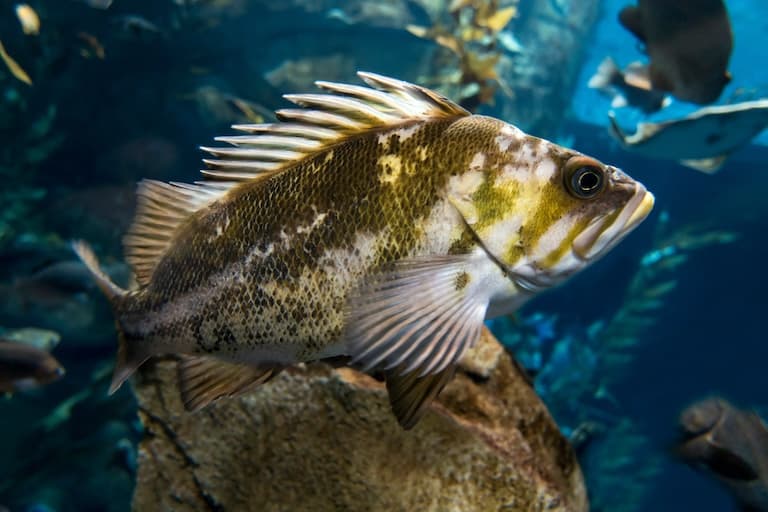
[3] They’re pretty chilled out
Actually, this fish doesn’t appear to worry about a lot. It has few predators as an adult, and doesn’t seem to be in a hurry, either.
Quillbacks mature slowly, often reaching sexual maturity as late 8 or 9 years old. As they mature, they develop clusters of pigmentation called age spots, and this can go on for a remarkably long time, too.
[4] They live a long time
Carpsuckers aren’t all that popular among people who fish, so they naturally aren’t well studied, but they have been discovered to live for a surprisingly long time.
Quillbacks, perhaps, aren’t quite as impressive as their buffalo cousins, but they are known to live for over 40 years, with the highest confirmed age being 49. It is likely that taking one’s time, cruising around slowly and sucking on bottoms is the key to a long life2.
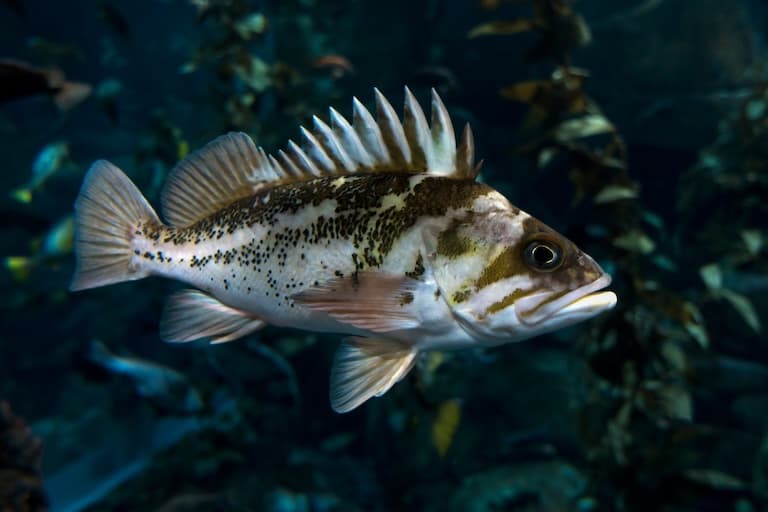
[5] If they make it past the first year
In order to attain the sort of aged zen vacuum status of an adult quillback, you must pass through a gauntlet of dangers. Only the best suckers make it, and you wouldn’t know it to look at them, but each and every adult of the species is one of a very lucky few to grow old.
These fish don’t even bother to build nests for their eggs or stick them to something, or anything as sophisticated as that; they simply spew their gametes into the water and allow whichever egg-eating predator to have a go.
Neither males nor females show any sign of parental instinct, and everything reproductive happens as a kind of messy instinctive accident, similar to the way an animal blogger might reproduce, for example.
As a result, hundreds, perhaps thousands of eggs don’t make it, and for those that do, the first year is still a harrowing lottery, in which another 70% will fall.
But this is all part of the plan. It’s the epitome of what’s known as R-Strategy, in which an animal compensates for lazy parenting by producing a gazillion offspring in the knowledge that enough will get through. And enough do! For now3.
[6] They’re in trouble in many places
This species is doing well as a global population, and is considered Least Concern by the IUCN, but the story isn’t a happy one on closer inspection, at least for several of its populations.
Vermont, New York and Michigan all have populations at risk of extinction, and various more southerly locations have declared theirs vulnerable, too.
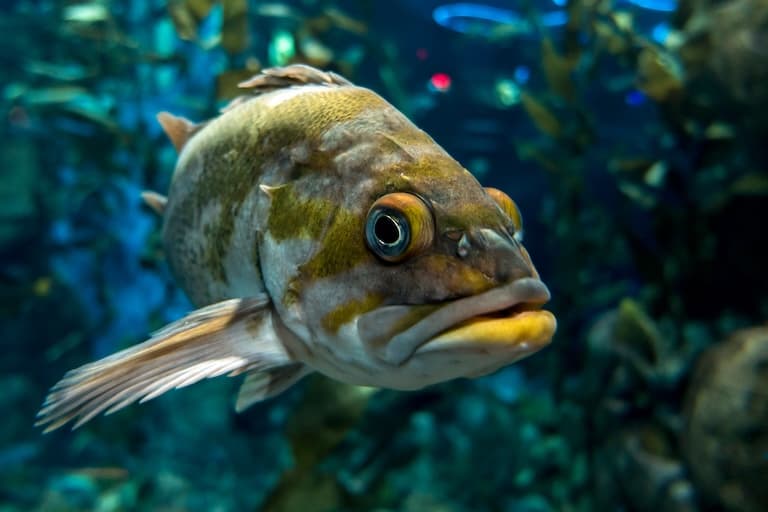
Quillback Fact-File Summary
Scientific Classification
| Kingdom | Animalia |
| Phylum | Chordata |
| Class | Actinopterygii |
| Order | Cypriniformes |
| Family | Catostomidae |
| Genus | Caproides |
| Species | cyprinus |
Fact Sources & References
- NatureServe (2013), “Quillback”, The IUCN Red List of Threatened Species 2013.
- Woodling et al (2024), “Otolith analysis reveals long-lived population demographics of quillback Carpiodes cyprinus and river carpsucker C. carpio in Colorado”, Springer Nature Link.
- Ervin (2006), “Carpiodes cyprinus”, Animal Diversity Web.